
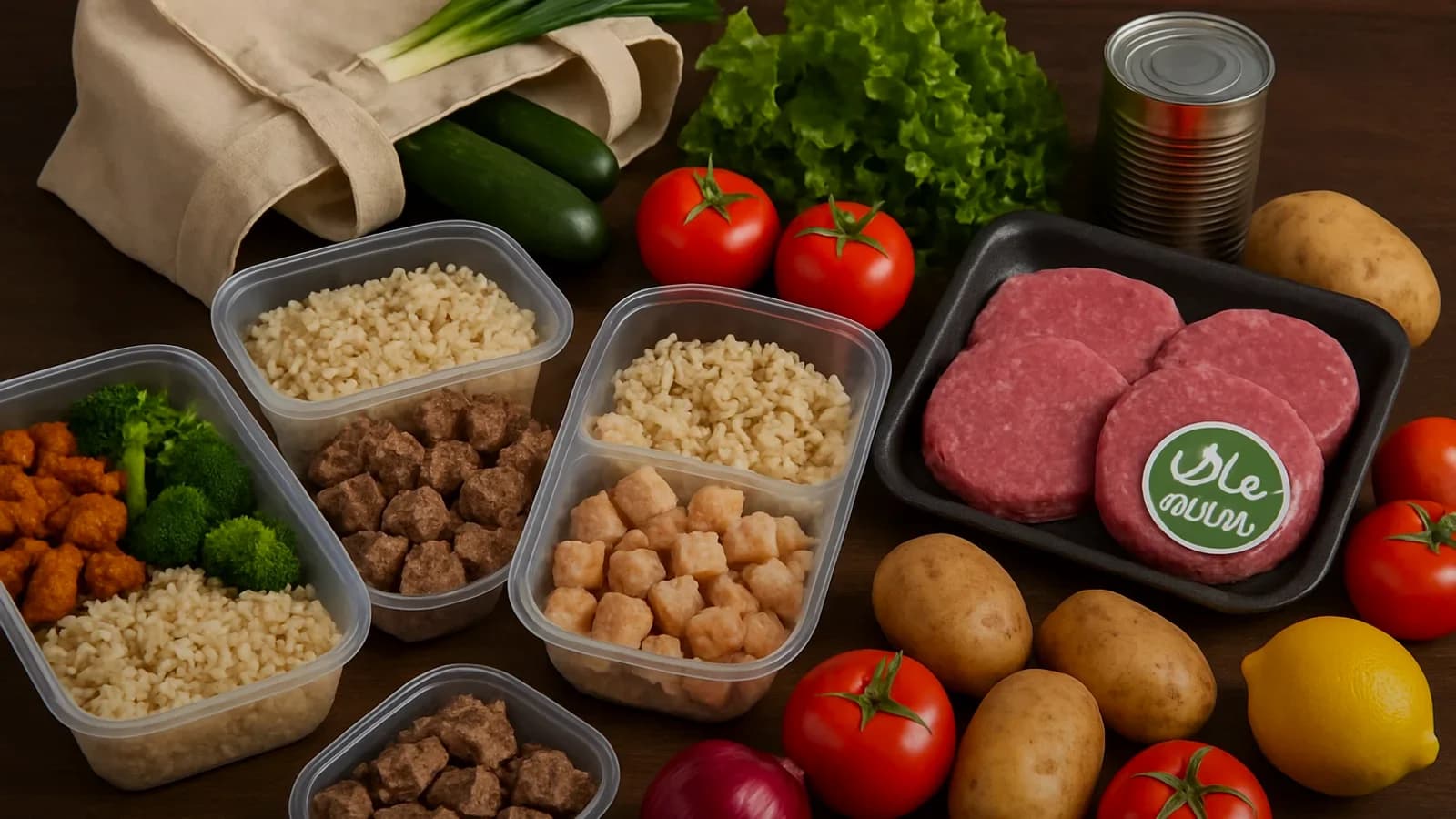
Ramadan shopping gets easier when you plan by meal function instead of buying random extras. A strong checklist reduces repeat trips, lowers stress during evening rush, and helps families stay consistent from week one through Eid prep.
This guide is designed for Lincoln households shopping for halal-friendly pantry staples, spice refills, tea, and hosting items.
Step 1: Start with high-turnover pantry essentials
Before snacks and desserts, lock core ingredients first:
- rice (5 lb, 10 lb, or 20 lb based on household size)
- bulgur (coarse and fine)
- red lentils, chickpeas, and fava beans
- tahini and tomato paste
- core spices (cumin, coriander, sumac, Aleppo pepper, baharat)
- tea and coffee service basics
These are the categories that support soups, stews, rice dishes, lentil bowls, wraps, and shared iftar tables throughout the month.
Step 2: Plan by household size and hosting frequency
Use quantity planning that matches your real weekly use.
Small household:
- one pack of each major grain and legume
- one medium tea pack
- one dessert option per week
Medium household:
- two packs of top-use grains and legumes
- two or more high-use spice refills
- larger tea format if served daily
Large household or frequent hosting:
- bulk rice and lentils
- larger spice packs for top recipes
- backup tea, sweets, and serving add-ons
If your hosting schedule is heavy in the final 10 days, buy dessert and tea service items early.
Step 3: Build separate iftar and suhoor lists
A common mistake is mixing all meals into one list.
Iftar-focused items:
- soup ingredients (lentils, tomato paste, spices)
- rice and grains
- dips and spreads
- beverages and tea
- sweets and dessert accents
Suhoor-focused items:
- eggs and breakfast pairings
- cheese or labneh when available
- olives, flatbread, and tea
- quick protein and fiber options
This split keeps carts practical and prevents overbuying one category while missing another.
Step 4: Confirm label clarity for halal-friendly choices
If you are trying new brands or shipment lots, review labels each time. Packaging can change between imports. If you have strict ingredient requirements, confirm at the shelf before checkout.
Use clear wording when discussing pantry needs at home too: if full halal meat certification is required for certain products, separate those from general halal-friendly pantry shopping so expectations stay accurate.
Step 5: Time your shopping around traffic peaks
Typical busy windows in Lincoln are:
- evenings, roughly 5:00 PM to 8:00 PM
- weekends around midday
For easier aisles and faster checkout, shop earlier in the day when possible. If you need very specific items, call ahead before peak time.
Roj Market hours: 9:00 AM to 10:00 PM daily.
Step 6: Pre-Eid shopping plan
Final-week demand is usually strongest for:
- sweets and dessert staples
- tea and coffee service products
- gifting snacks and imported items
- specialty ingredients for family recipes
A simple Pre-Eid strategy:
- Two weeks out: secure pantry and spice base.
- One week out: buy sweets, serving extras, and backup tea.
- Final days: fresh additions and any last substitutions.
Suggested Ramadan cart framework
Core pantry:
- chickpeas (15 oz or 29 oz)
- fava beans
- lentils
- tahini
- pomegranate molasses
- tomato paste
Spice and flavor:
- sumac
- zaatar
- Aleppo pepper
- cumin
- coriander
- dried mint
Table and hosting:
- tea
- biscuits and rotating imported snacks
- halva or Turkish delight
- flatbread and dips
Adjust to your household routine and dish preferences.
Internal links for full planning
Use these pages together for a complete Ramadan plan:
Local details
Roj Market is located at 4640 Bair Ave Suite 214, Lincoln, NE 68504. Free parking and easy access make split trips easier when you do not want one oversized run.
Ramadan grocery success is mostly process: prioritize essentials first, buy based on real usage, and leave room for seasonal and hosting items in later trips.
4-week Ramadan grocery calendar for Lincoln families
A structured calendar prevents last-minute stress and overspending.
Week 1 (before Ramadan starts)
- secure core grains and legumes
- refill top-use spices
- buy foundational oils and sauces
- create must-have + optional list
Week 2
- monitor top-use pantry categories
- refill tea and breakfast support items
- add one dessert category
Week 3
- prepare for higher hosting frequency
- increase snack and sweets inventory
- confirm high-demand items by phone
Week 4 / pre-Eid
- finalize gifting and table service items
- top up tea, sweets, and final pantry gaps
- keep one substitution option per key item
This timeline smooths demand pressure and improves budget control.
Iftar meal framework that simplifies shopping
Use a standard iftar structure for easier weekly planning.
- hydration + light starter
- soup or lentil base
- main grain + protein/legume dish
- fresh salad or herb side
- tea and light sweet option
When your grocery cart mirrors this structure, ingredient overlap increases and waste drops.
Suhoor planning framework
Suhoor works best with balanced items that are quick to prepare.
- eggs or protein base
- grain or bread component
- dairy or yogurt option
- hydration and tea support
- optional fruit and nuts
Keep a separate suhoor list to avoid overbuying iftar-only categories.
Budget model for Ramadan shopping
Split spend into three buckets:
- essentials: 60%
- flavor/support: 25%
- hosting extras: 15%
If needed, trim hosting extras first and preserve essentials.
This keeps daily meals stable even when prices fluctuate.
High-demand product backup map
For each critical category, choose one backup before shopping:
- rice brand backup
- lentil type backup
- tea brand backup
- dessert backup
- one alternative spice blend
Backup planning prevents full cart disruption during peak demand weeks.
Lincoln traffic and timing notes
For larger Ramadan carts:
- shop earlier in the day when possible
- avoid stacking all purchases into one evening run
- use two smaller trips if household size allows
This is usually faster and more reliable than one oversized peak-hour trip.
Hosting checklist for weekends and community gatherings
- confirm guest count
- scale grains and legumes first
- secure tea and dessert next
- add visual table extras last
For frequent hosts, keep one shelf dedicated to "ready for guests" pantry items.
Helpful local links
- Halal-friendly grocery page
- Where to buy halal groceries in Lincoln
- Deals page
- Contact and directions
Ramadan shopping becomes easier when you use a calendar, clear category priorities, and a repeatable restock system.
Emergency Ramadan refill list (fast trip)
If you only have time for a short refill trip, prioritize these categories in this exact order:
- rice and lentils
- tea and hydration support
- tomato base + core spices
- dates and one dessert category
- bread and breakfast support items
Keep this as a saved note on your phone. It prevents decision fatigue during busy evenings and helps households avoid missing core meal ingredients.
Post-Ramadan pantry reset
After Eid, run a quick pantry reset so leftovers are used efficiently:
- identify opened high-use categories
- move soon-to-expire items to front
- plan 3 "use-up" meals for the week
- reduce next-month purchase volume based on actual usage
This reset improves budget control and helps transition from holiday shopping back to standard weekly planning.
Final note
The best Ramadan grocery plan is one you can repeat weekly without stress. Keep your base list fixed, use a two-wave shopping model, and reserve flexibility for hosting and seasonal demand shifts.
Local action step
Set one fixed weekly refill day during Ramadan. Repeating the same schedule each week lowers stress and prevents midweek pantry surprises.
Extra tip
Keep a printed iftar and suhoor checklist on your fridge during Ramadan so anyone in the household can track low-stock items before they become urgent.