
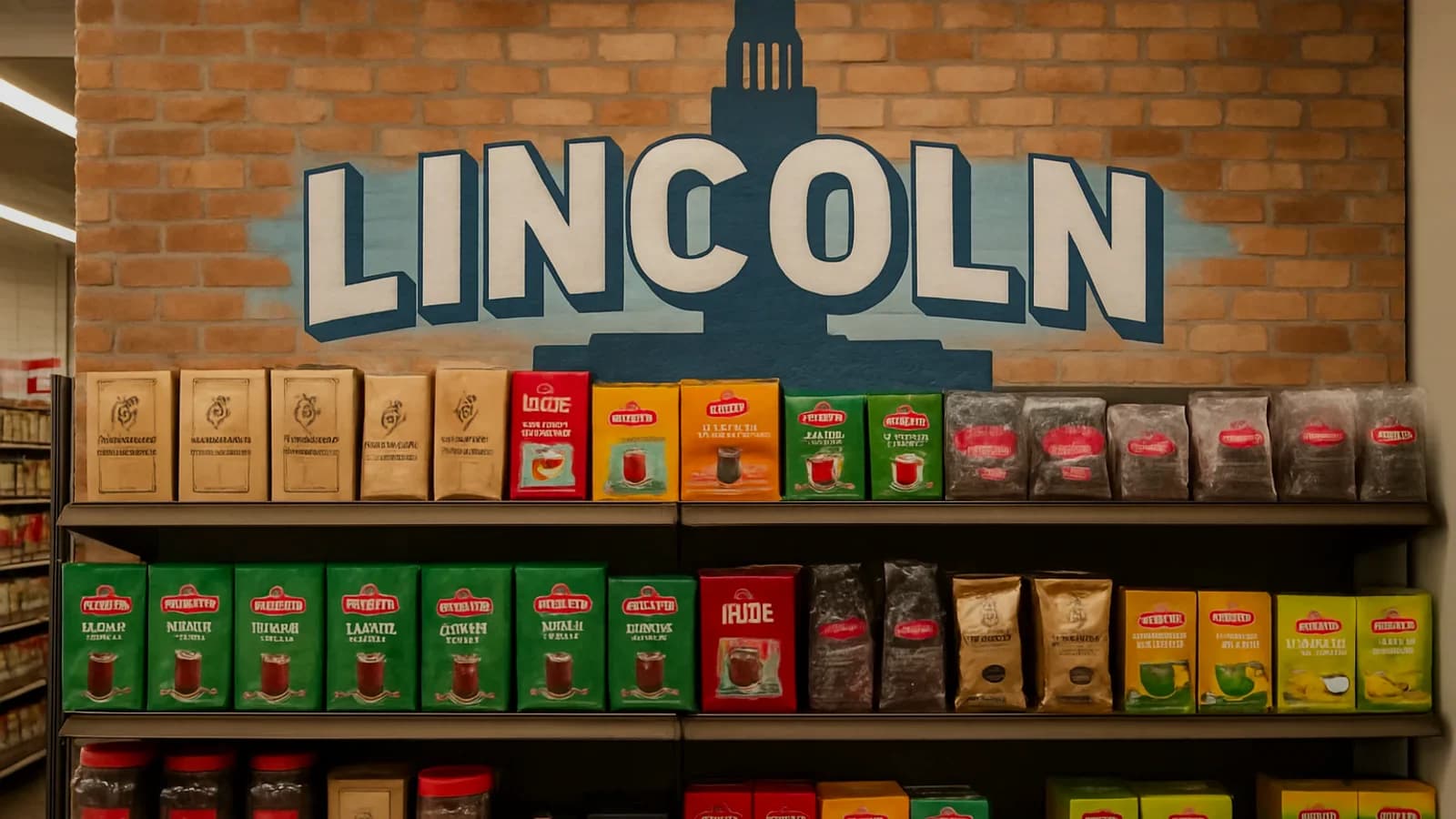
Turkish breakfast is about variety, rhythm, and sharing. Instead of one large entree, the table is built from smaller items that balance savory, salty, creamy, crunchy, and sweet. For Lincoln shoppers, the key is learning which categories matter most so you can build a complete table without overbuying.
Core structure of a Turkish breakfast table
A practical setup starts with these categories:
- strong black tea
- cheese and dairy-style items
- olives
- fresh bread or flatbread
- jams or honey
- one sweet companion item
Optional upgrades include Turkish delight, halva, biscuits, eggs, and fresh herbs.
If you are hosting, keep variety high in small portions rather than buying oversized quantities of one item.
Tea is the anchor
Tea usually determines both flavor and quantity planning.
Common ranges:
- 500 g packs around $6 to $10
- 1 kg packs around $12 to $20
If your household drinks tea daily, larger packs are usually more efficient. If tea is mostly for guests, medium packs may be enough.
For tea-focused shopping, use Turkish products in Lincoln and Product page: Turkish tea.
Cheese, olives, and spreads: the core trio
After tea, prioritize cheese and olive variety.
Practical baseline:
- 2 cheese options
- 2 olive options
- 1 sweet spread (jam, honey, or similar)
This combination supports both daily breakfasts and casual hosting.
If labneh or specific dairy items are rotating, use functional substitutes and keep balance across salty + creamy + sweet.
Bread and sweet additions
Bread carries most combinations at the table. Add one sweet item for contrast.
Reliable sweet choices:
- halva
- Turkish delight
- biscuits
Use small portions and rotate weekly so breakfast stays varied.
Quantity planning by occasion
Weekday family use:
- 1 tea pack
- 1 to 2 cheeses
- 1 olive type
- 1 spread
Weekend hosting:
- 1 larger tea format
- 2 to 3 cheeses
- 2 olive styles
- 2 sweet options
Large gatherings:
- double tea first
- increase cheese and olives second
- add sweets third
This order keeps the table complete even when one item is out.
What to do when a preferred item is unavailable
Import stock can rotate. Build a substitution mindset.
Examples:
- If one tea brand is out, switch by strength profile.
- If a preferred biscuit line is out, choose another Turkish brand family.
- If labneh is unavailable, pair white cheese with olive oil and herbs.
A balanced table is more important than exact brand matching.
Pairing ideas for a stronger table
- tea + cheese + olives + fresh bread
- cheese + jam + sesame sweets for sweet/savory contrast
- eggs + zaatar + olive oil for a warm element
- tahini + date syrup for quick spread option
Add fresh cucumber, tomatoes, and herbs if available for texture and freshness.
Local timing and customer flow tips
Busiest windows are generally evening and weekend midday. For easier shopping:
- restock tea and shelf-stable items earlier in the day
- call ahead for specific high-demand products
- split large hosting lists into two trips when possible
Roj Market is open daily 9:00 AM to 10:00 PM, which makes split planning practical.
Build a complete Turkish breakfast basket in one run
Suggested one-trip list:
- black tea
- Turkish coffee (optional)
- cheese pair
- olive pair
- jam or honey
- flatbread
- one sweet item
- one rotating snack item
Then add seasonal extras.
For supporting pages and related shopping:
A strong Turkish breakfast does not require complexity. It requires a stable framework and smart category balance.
Budget-friendly table building
You can build a complete table at multiple spend levels.
Starter table:
- tea
- one cheese
- one olive option
- one bread
- one sweet spread
Mid-range table:
- larger tea pack
- two cheeses
- two olive styles
- jam or honey
- one dessert item
Hosting table:
- large tea format
- multiple cheeses and olives
- sweets and biscuit variety
- Turkish coffee add-on
This approach keeps planning realistic and prevents overspending on low-priority extras.
Quick FAQ
Do I need many dishes to serve Turkish breakfast?
No. Start with a few shared plates and build variety over time.
Which category should I upgrade first for guests?
Tea and cheese usually create the biggest quality difference.
Can I prepare part of the table the night before?
Yes. Portion olives, set spreads, and prep tea service so morning setup is faster.
Build a Turkish breakfast table by guest count
Using guest count prevents overbuying and keeps the spread balanced.
2-3 people
- 1 tea format
- 1-2 cheese types
- 1 olive type
- 1 sweet spread
- bread and one small sweet
4-6 people
- larger tea format
- 2-3 cheese options
- 2 olive styles
- jam/honey + one dessert item
- eggs or warm dish add-on
7+ people
- backup tea quantity first
- multiple cheese and olive categories
- separate savory and sweet zones
- two dessert/biscuit options minimum
Always scale tea first, then cheese/olives, then sweets.
24-hour prep timeline for hosting
Night before
- portion olives and spreads
- set tea station tools
- prep cucumber/tomato/herb plates
- confirm bread availability
Morning of
- warm bread or prep serving pieces
- brew tea in first batch
- add eggs or warm skillet dish if planned
- place sweets as final table layer
This timeline reduces morning stress and keeps service flow smooth.
Turkish breakfast flavor balance formula
A strong table usually includes:
- salty element (olives, cheese)
- creamy element (soft cheese/labneh-style)
- fresh element (cucumber, tomato, herbs)
- warm element (eggs or bread)
- sweet element (jam, halva, delight, biscuits)
- beverage anchor (tea)
If one area is missing, the table feels incomplete.
Budget strategy without losing variety
If budget is tight, keep variety with smaller portions.
- choose fewer categories but better quality
- serve small sample portions of sweets
- focus budget on tea + cheese + olives first
Variety of textures matters more than quantity volume.
Weekday Turkish breakfast shortcut
For weekdays, use a 10-minute simplified setup:
- tea
- one cheese
- one olive
- bread
- one finishing item (zaatar or honey)
This keeps cultural routine intact without full weekend prep.
Pairing breakfast with pantry planning
Turkish breakfast shopping pairs well with these pantry refills:
- tea and coffee
- tomato paste
- lentils and rice
- biscuits and snack shelf items
One combined trip improves efficiency and reduces weekly errands.
Related pages:
Weekend Turkish breakfast shopping template
For a reliable weekend table in Lincoln, use this template:
- tea (primary)
- bread (service base)
- two savory categories (cheese + olives)
- one fresh category (cucumber/tomato/herbs)
- one sweet category (jam, halva, delight, or biscuits)
- one warm element (eggs or skillet dish)
This template works for both family breakfast and guest hosting.
Table setup order for faster service
- Brew tea first.
- Set savory plates second.
- Add bread and warm items third.
- Place sweets last.
This keeps hot items timed correctly and avoids cold tea service during busy mornings.
Final note
Turkish breakfast is less about quantity and more about table balance. If tea, savory items, fresh elements, and one sweet category are present, you already have a complete setup.
Local action step
For your next breakfast setup, focus on balance first: tea, one savory pair, one fresh item, and one sweet item. Then scale volume only if needed.
Extra tip
When hosting guests, prepare tea first and keep a backup kettle ready so service stays smooth while food plates are still being arranged.
This keeps your table consistent and guest-friendly every weekend.