
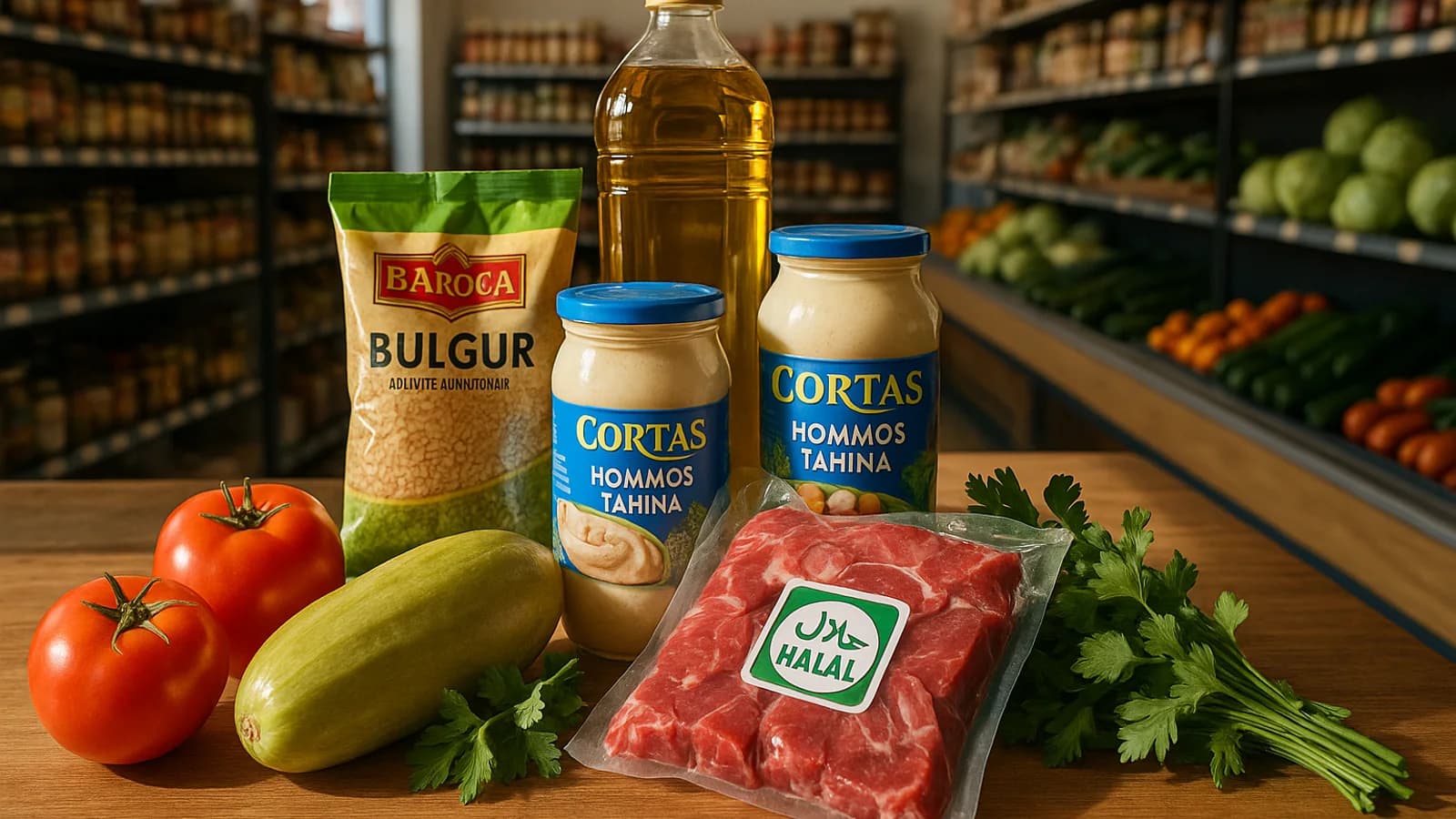
Finding halal groceries in Lincoln usually comes down to two things: product clarity and enough category depth to support regular cooking. A standard supermarket may carry some pantry basics, but shoppers who cook from scratch often need a wider selection of grains, legumes, spices, sauces, and imported staples.
This guide is designed to help you shop more efficiently and make safer decisions about what belongs in a halal-friendly pantry.
Start with a product-by-product mindset
Halal grocery shopping is usually decided at the item level, not the store level. Even in a store that carries many familiar products, it still helps to check individual labels when a product category calls for it.
Focus on:
- ingredient lists
- certification marks when present
- gelatin, flavoring, and additive details when relevant
- brand and manufacturer information if you need more certainty
That routine is more reliable than assuming every imported or specialty item is suitable by default.
What to look for in a useful halal grocery trip
A productive trip usually includes a mix of dependable pantry items and any meal-specific products you need for the week.
Common pantry categories include:
- rice and bulgur
- lentils, chickpeas, and beans
- olive oil and tomato products
- tahini and pantry sauces
- everyday spices such as cumin, coriander, sumac, and paprika
These are the items that make it easier to cook full meals without relying on repeated last-minute shopping.
Why category depth matters
The problem with many chain supermarkets is not that they carry nothing. It is that they may only carry one version of a product, one brand, or one package size.
That creates problems when you need:
- a specific grain type for texture
- a pantry staple in a practical quantity
- a familiar brand
- a substitute that still fits your cooking routine
A specialty market is often more useful because it gives you options within the same category, not just a single placeholder product.
Build a halal-friendly pantry in layers
First layer: weekly staples
Start with the ingredients you know you will use repeatedly:
- one or two grains
- one or two legumes
- one cooking fat
- one tomato base
- a short list of core spices
Second layer: flavor and convenience
Once your pantry is stable, add the items that make meals easier to repeat:
- tahini
- grape leaves
- pomegranate molasses
- tea and coffee staples
- specialty seasonings
Third layer: holiday and hosting items
For larger gatherings or Ramadan shopping, add dates, dessert ingredients, sweets, and higher-volume pantry refills closer to when you need them.
A simple weekly shopping system
Most households do better with a repeatable structure than with a fresh list every time.
- Refill staple items first.
- Add ingredients for planned meals second.
- Check labels on any products that require closer review.
- Keep one backup option in mind for high-priority items.
This keeps the cart practical and reduces the odds of getting home with ingredients that do not fit the week ahead.
Ramadan planning
Ramadan shopping is easier when it is split into two phases.
Early trip
Use the early trip for foundations such as grains, legumes, oils, and core seasonings.
Later trip
Use the later trip for dates, dessert items, table additions, and other products tied to specific gatherings.
That separation helps with both budgeting and availability. For a fuller planning list, see Ramadan grocery checklist for Lincoln.
Helpful local links
If you are comparing shopping options or planning future trips, these pages are the most relevant:
- Halal-friendly grocery store in Lincoln
- Middle Eastern market page
- Mediterranean grocery page
- Products catalog
- Middle Eastern spices in Lincoln
Final takeaway
The best halal grocery routine is a clear one: buy staple categories you use often, verify products that need a closer look, and avoid building your week around items you have not confirmed.
If you want a pantry that supports daily cooking, focus on dependable basics first and use specialty items to expand from there.
Visit Roj Market in Lincoln
Need store details before planning a trip? Use the Contact page.