
Introduction
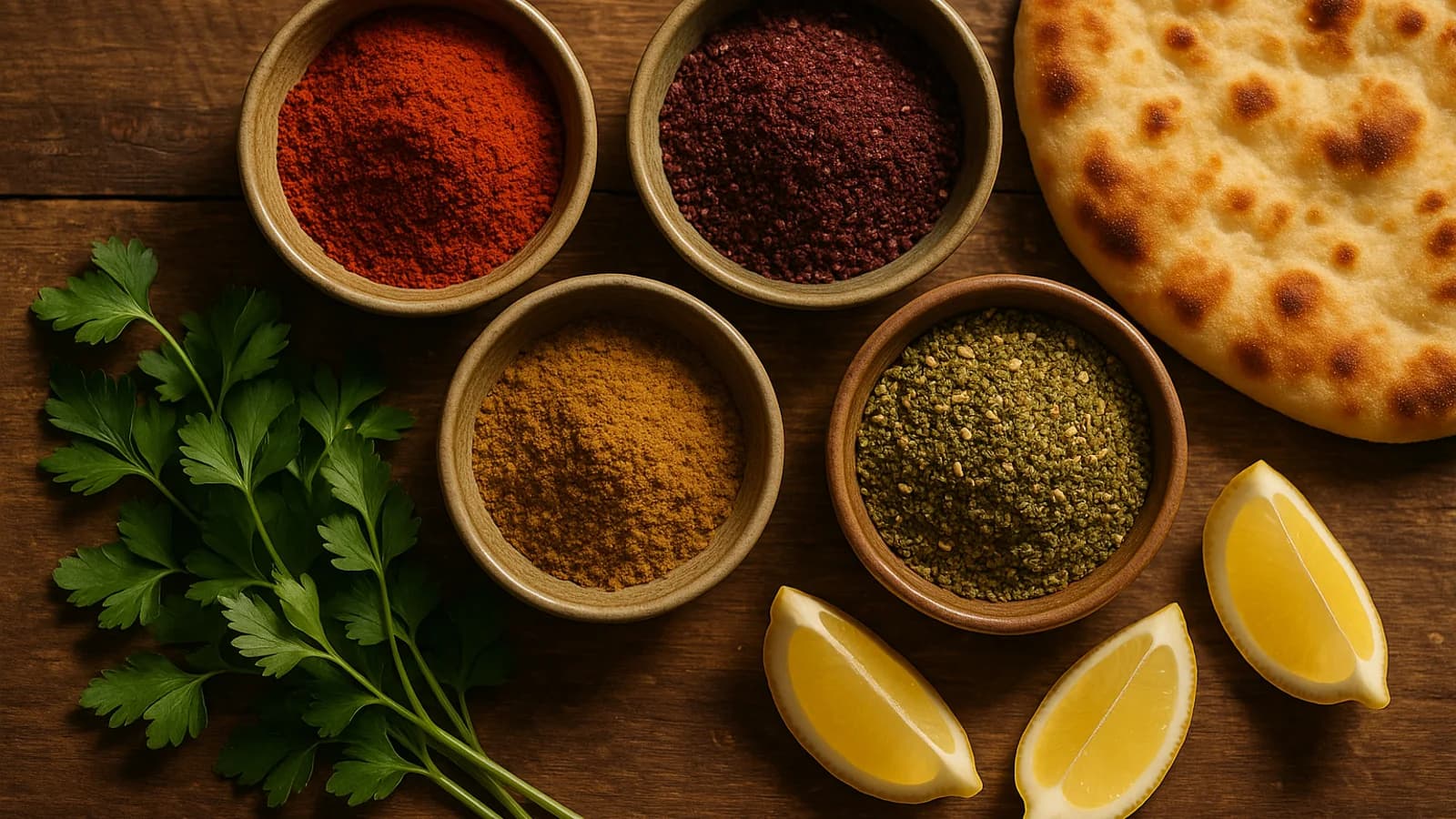
Middle Eastern and Mediterranean cuisines - the kitchens of Kurdish, Turkish, Arabic, and neighboring traditions rely on a relatively small number of aromatic spices and simple techniques to create deeply layered flavors. For home cooks in Lincoln, Nebraska who want to explore these cuisines, understanding the core spices, how they're used, and where to buy them locally makes the process approachable and rewarding.
This guide walks you through the cultural background of the region's flavors, key ingredients to stock in your pantry, practical cooking techniques, popular dishes to try at home, and where in Lincoln you can source authentic items (including Roj Market). Expect clear, practical tips you can use in weeknight cooking and weekend experiments alike.
Cultural and Historical Background
The spice profile of the Middle East and eastern Mediterranean reflects centuries of trade, empire, and local agriculture. Spices like cumin, coriander, and sumac traveled along historic trade routes; blends such as baharat and za'atar arose from regional tastes and home cooks adapting to available ingredients. Kurdish, Turkish, and Arabic cuisines share many spices, but each region emphasizes different herb-scented flavors and textures.
- Kurdish cuisine incorporates hearty mountain ingredients - lamb, bulgur, and wild herbs - often seasoned simply with salt, pepper, and dried mint or thyme.
- Turkish cooking balances sweet and savory: warming spices (allspice, cinnamon) appear in meat dishes and pilafs, while fresh herbs and yogurt are used liberally.
- Arabic cuisines across the Levant and Arabian Peninsula mix bright flavors (lemon, sumac) with rich spices (cumin, coriander), using blends such as za'atar in breads and baharat for meats.
Knowing this background helps you choose spices that suit a dish's cultural context: use sumac and za'atar for Levantine-style mezzes; reach for baharat or allspice in Gulf and Levantine stews; and let mint and dill shine in Anatolian/Turkish vegetable dishes and yogurt-based sauces.
Key Ingredients Used
Below are the core spices, herbs, and pantry staples Lincoln cooks will encounter when cooking Middle Eastern, Kurdish, Turkish, and Arabic food. For each, I include a short practical note on flavor and use.
Essential spices and blends
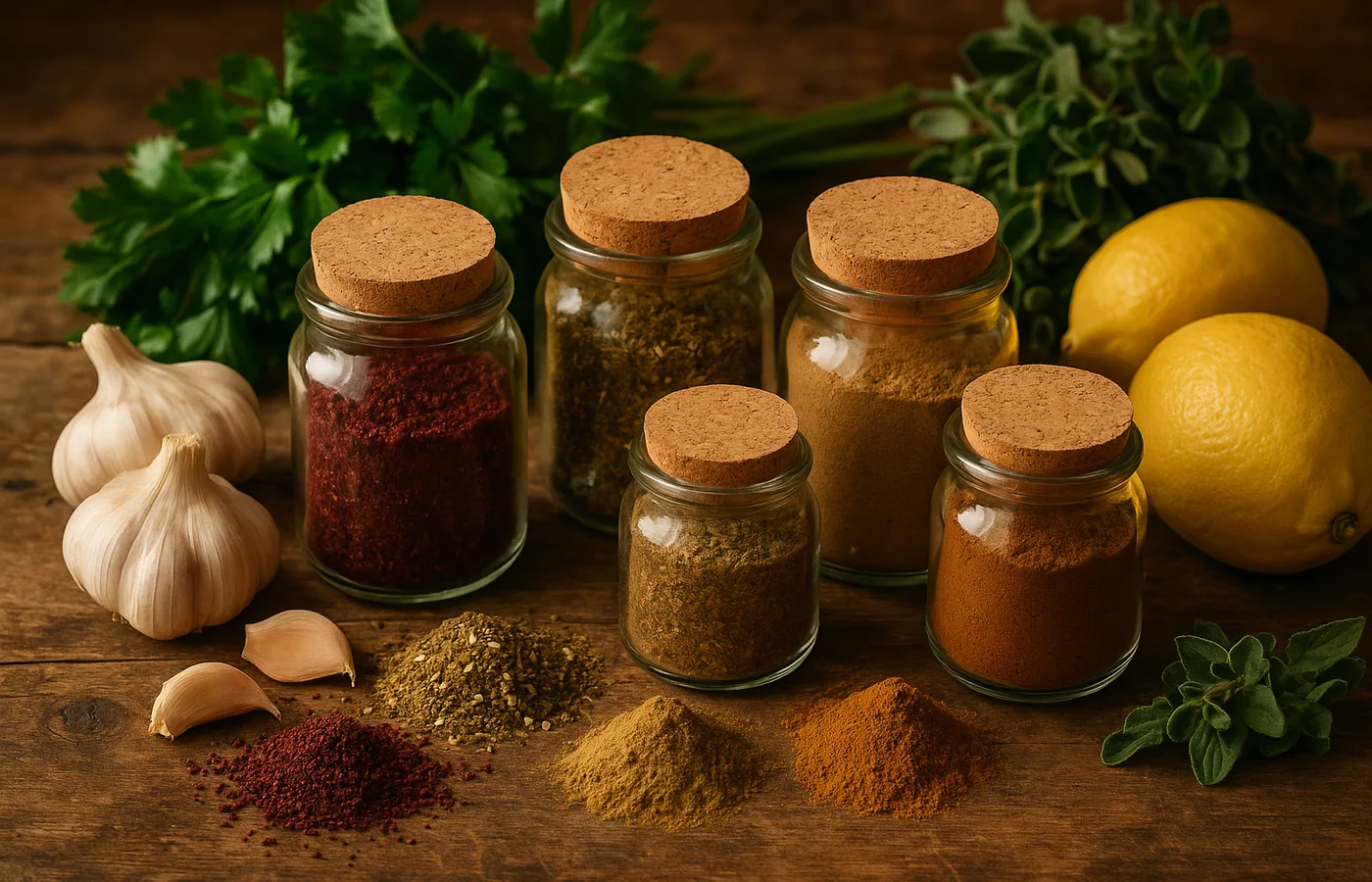
- Cumin (ground and seeds): Earthy and warm, used in meat rubs, stews, and rice. Toast whole seeds briefly to intensify aroma.
- Coriander (ground and seeds): Lemon-fresh when toasted; common in meatballs, soups, and marinades.
- Sumac: Tangy, fruity, astringent - sprinkled on salads (like fattoush), grilled meats, or mixed with olive oil for dressings.
- Aleppo pepper / pul biber: Moderately spicy with fruity notes; a lighter, more complex alternative to crushed red pepper.
- Baharat: A warm spice blend (black pepper, coriander, paprika, cardamom, nutmeg, clove) used for stewing meats and seasoning rice.
- Za'atar: A herb-and-sesame mix (thyme/oregano/za'atar herb, sumac, sesame) best on flatbreads or sprinkled on labneh.
- Paprika (sweet or smoked): Sweet color and mild flavor; smoked paprika gives a grilled depth in stews and marinades.
- Allspice: Tastes like a mix of cinnamon, cloves, and nutmeg; used in meatballs, dolmas, and pilafs.
Herbs and aromatics
- Fresh parsley, cilantro, and mint: Staples in salads (tabbouleh), sauces, and garnishes.
- Dill and chives: Used in yogurt sauces, fish dishes, and rice.
- Garlic and onion: Foundational; often sauteed slowly to build a base for stews and sauces.
- Lemon (and preserved lemon): Fresh acidity is essential; preserved lemons (brined) add a concentrated zest to tagines and chicken dishes.
Staples and pantry items
- Olive oil: Use good-quality extra virgin for dressings and finishing, lighter olive oil for cooking.
- Bulgur and rice (short and long grain): Bulgur is common in pilafs and salads; rice appears in stuffed vegetables, biryanis, and pilafs.
- Tahini: Sesame paste used for sauces, hummus, and dressings.
- Yogurt (plain, full-fat): Serves as a cooling sauce or base for marinades; Greek-style works well.
- Chickpeas and lentils: Key legumes for stews, salads, and purees.
- Nuts and dried fruits (almonds, pistachios, apricots): Used for texture and sweetness in rice dishes and desserts.
Cooking Methods and Preparation Techniques
Understanding a few preparation techniques will help you use these spices effectively without overwhelming a dish.
Tasting and layering flavors
Layering is the cornerstone of Middle Eastern cooking. Start with aromatic soffrito (onions and garlic), add toasted whole spices or ground spices early for toasting and blooming in oil, then finish with bright elements (lemon, fresh herbs, sumac) at the end. Taste as you go - salt levels and acidity make a big difference.
Toasting and grinding
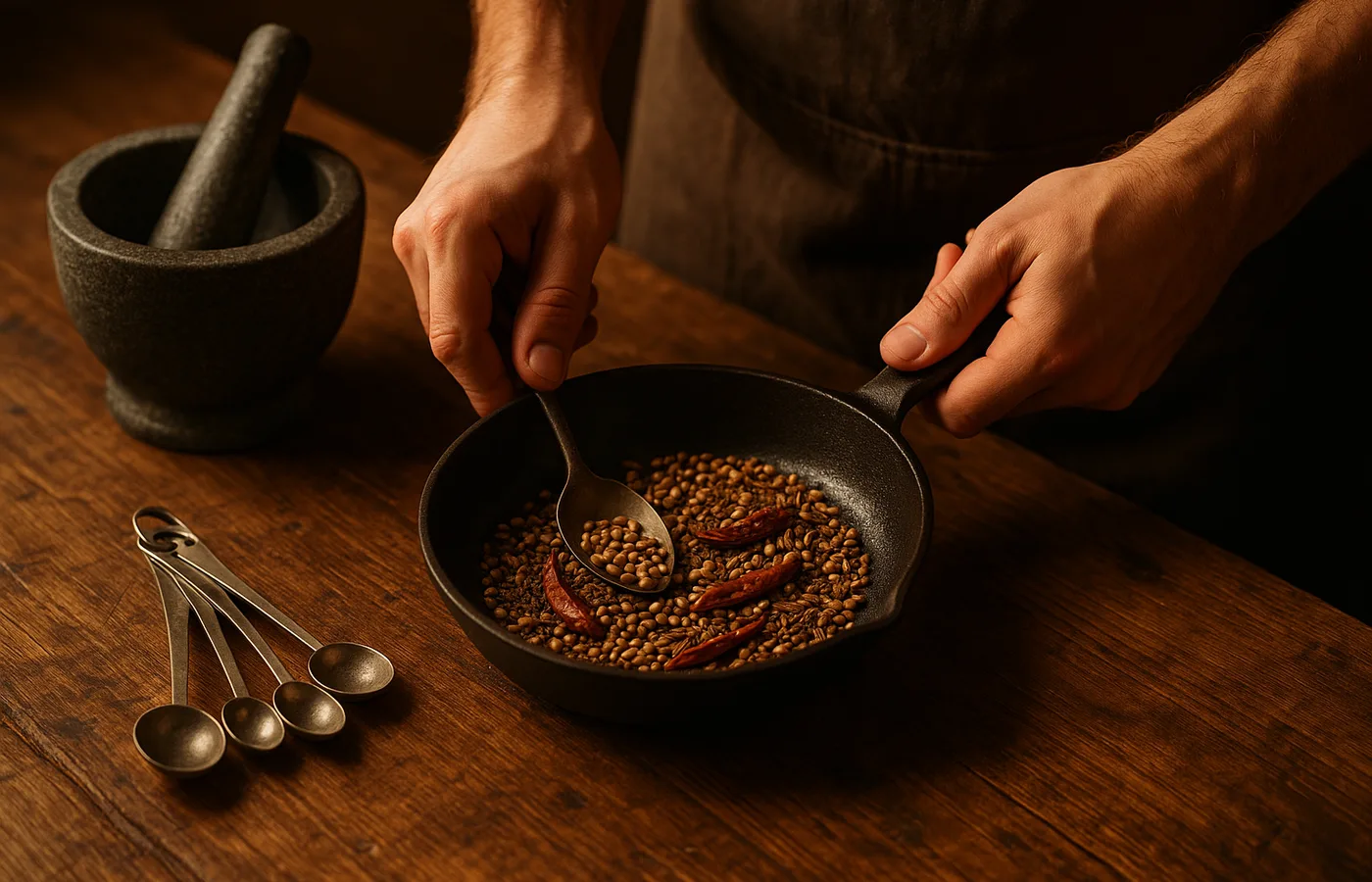
Many spices benefit from a quick toast in a dry skillet (30-60 seconds) to release oils before grinding. If you buy whole spices (recommended when possible), grind them in a small spice grinder or mortar and pestle just before use. Ground spices lose potency faster; whole spices keep their aroma for months.
Marinades and yogurt-based sauces
Yogurt-based marinades tenderize meat and add tang. Combine plain yogurt with minced garlic, lemon juice, olive oil, cumin, and a touch of salt for a basic marinade for chicken or lamb. Marinate for at least 2 hours, ideally overnight for larger cuts.
Slow cooking and braising
Many traditional dishes - stews, braises, and stuffed vegetables benefit from low-and-slow cooking. Spices develop deeper flavors over time. Use a heavy pot or Dutch oven, and brown meats well before adding liquids to build rich caramelized notes.
Grilling (mangal) and roasting
Grilling is fundamental in Turkish and Kurdish kitchens. Kebabs and vegetables are often simply seasoned with salt, pepper, and a sprinkle of sumac or pul biber after grilling. For indoor cooking, a hot cast-iron skillet or broiler gives a similar char.
Emulsions and dressings
Tahini, olive oil, lemon, and garlic make simple dressings; whisk or blend to smooth. For za'atar flatbread or salads, mix za'atar into olive oil to create a spread or drizzle.
Popular Dishes to Try at Home
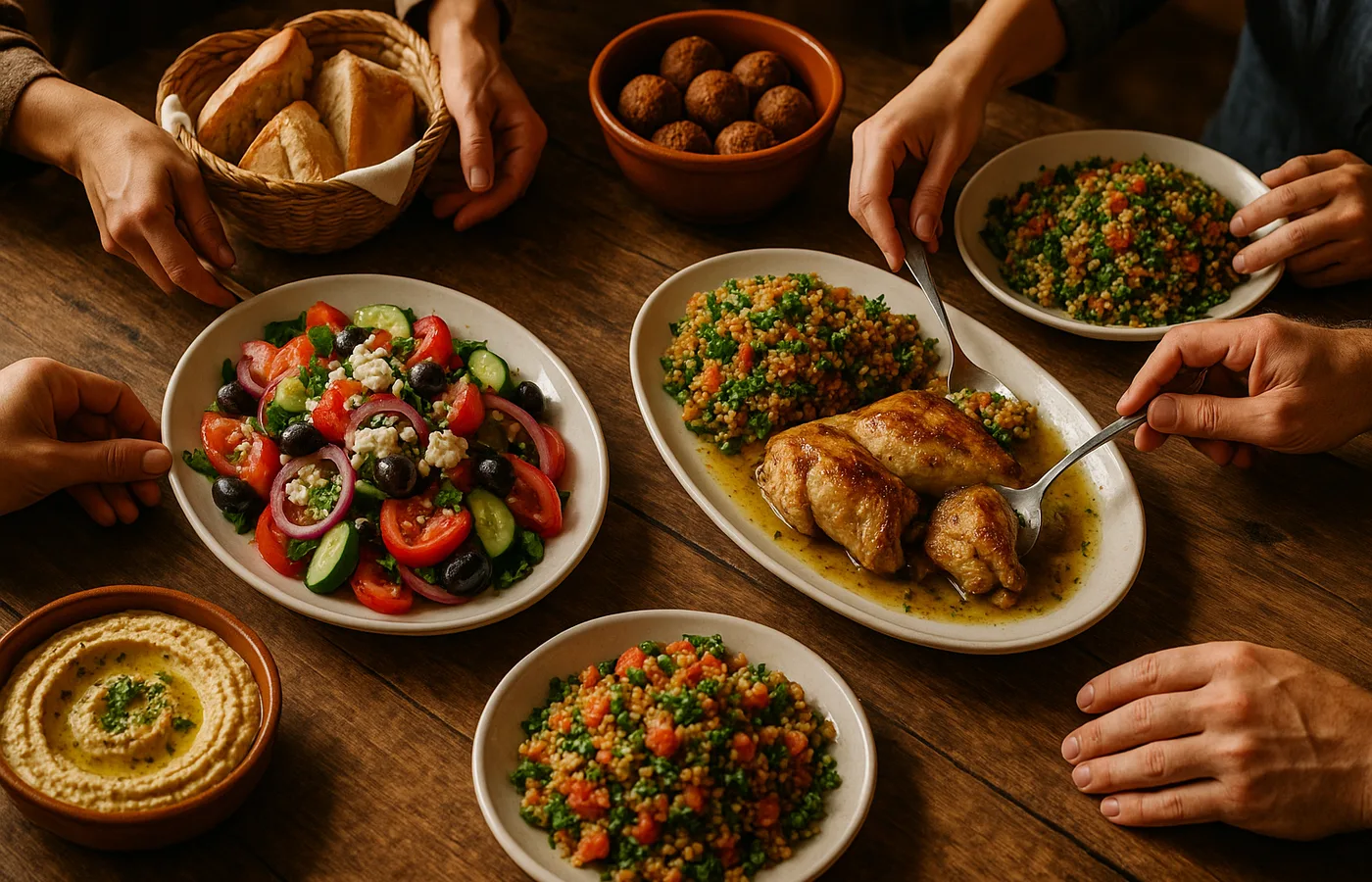
Here are representative dishes across Kurdish, Turkish, and Arabic traditions with brief notes for the Lincoln home cook - simple versions you can try with local ingredients.
Mezze and small plates
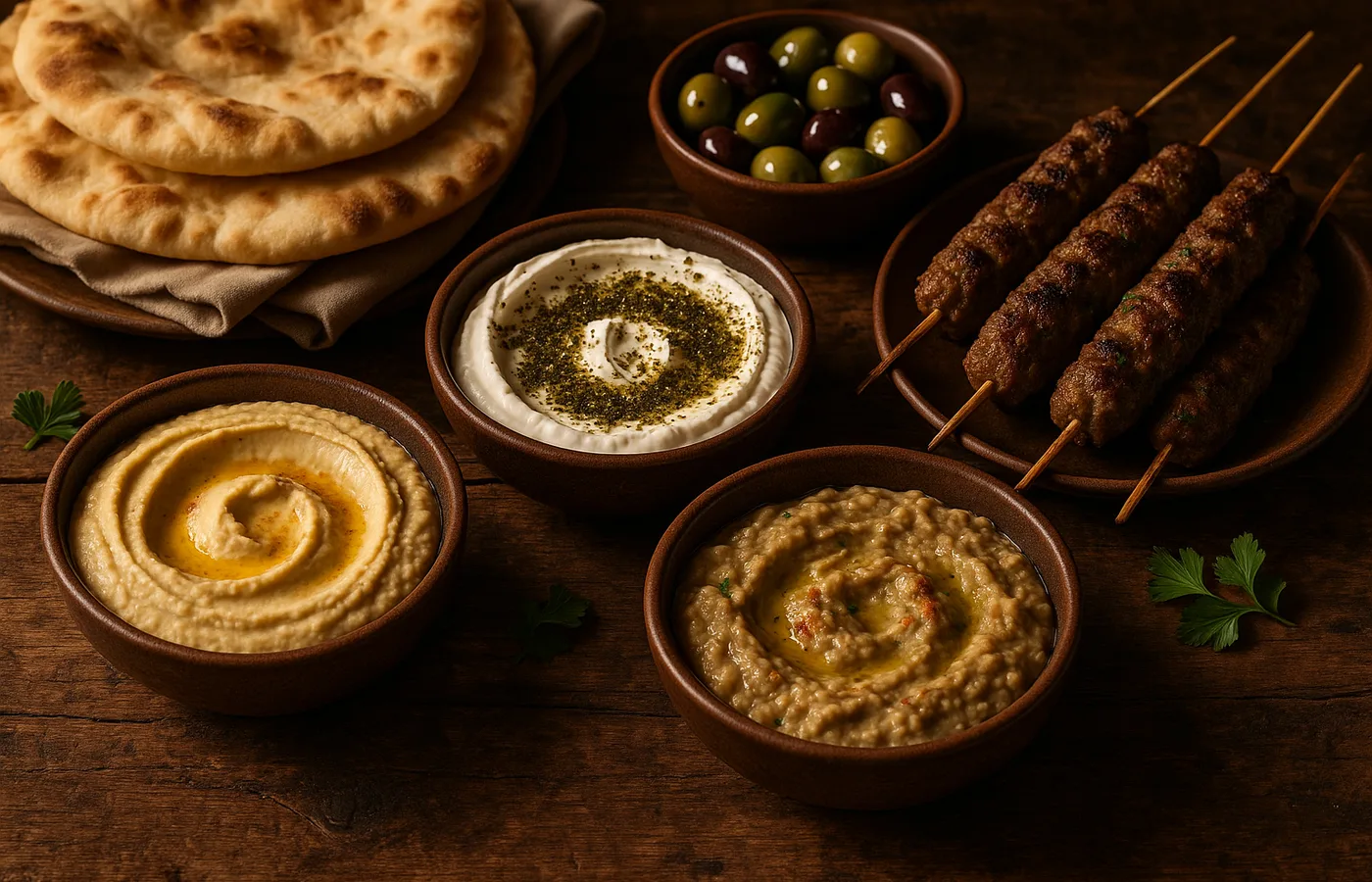
- Hummus: Mashed chickpeas with tahini, lemon, garlic. Use good canned chickpeas or cook dried beans until tender.
- Baba ghanoush: Charred eggplant pureed with tahini and garlic - smokiness is key.
- Labneh with za'atar: Strained yogurt, thick and creamy, finished with olive oil and za'atar.
Grilled meats and kebabs
- Shish kebab (Sis kebap): Marinated lamb or beef cubes grilled on skewers. Use yogurt and lemon in the marinade for tender meat.
- Adana kebab: Spiced ground lamb formed around skewers - use aleppo pepper or pul biber for heat.
Stews and braises
- Lamb tagine-style braise: Use baharat, cinnamon, and preserved lemon for a sweet-tart profile. Serve with rice or bulgur.
- Mujaddara: Lentils and rice topped with caramelized onions - simple, nutritious, and spiced with cumin.
Breads and stuffed pastries
- Pide and flatbreads: Dough topped with za'atar and olive oil or topped with cheese and herbs.
- Dolma (stuffed grape leaves): Fillings of rice, pine nuts, currants, and warm spices like allspice and cinnamon.
Rice and grain dishes
- Pilaf: Toast rice briefly with butter or oil, then simmer with stock and whole spices (cinnamon stick, cardamom) for subtle depth.
- Bulgur kofte (kibbeh-style balls): Bulgur combined with finely minced meat and spices, formed and often baked or fried.
Quick Lincoln-friendly recipe notes
- Weeknight chicken kebab: Use boneless chicken thighs, marinate in yogurt, lemon, garlic, cumin, and aleppo pepper for at least 1-2 hours; pan-sear or broil for char. Serve with salad and flatbread.
- Simple fattoush: Toss torn pita chips with lettuce, cucumber, tomato, radish, parsley, sumac, lemon, and olive oil.
- One-pot chickpea stew: Saute onion and garlic, add cumin, coriander, smoked paprika, canned tomatoes, chickpeas, simmer 20-30 minutes and finish with lemon and chopped cilantro.
Comparison Table: Common Spices and Uses
| Spice / Blend | Flavor Profile | Typical Uses | Common Substitute |
|---|---|---|---|
| Cumin (ground) | Earthy, warm, slightly bitter | Stews, kebabs, rice, lentil dishes | Ground coriander + a pinch of smoked paprika |
| Sumac | Tangy, lemony, slightly fruity | Salads (fattoush), grilled meats, dressings | Lemon zest + a little vinegar |
| Za'atar | Herby, nutty (sesame), tangy (sumac) | Flatbreads, labneh, grilled veg | Oregano + sesame + pinch of sumac |
| Baharat | Warm, aromatic, mixed spices | Meat stews, rice, roasted meats | Ras el hanout or individual warm spices blend |
| Aleppo pepper / Pul biber | Mild-medium heat, fruity | Kebabs, salads, finishing sprinkle | Crushed red pepper + a pinch of smoked paprika |
| Tahini | Rich, nutty, slightly bitter | Sauces, hummus, dressings | Nut butters (peanut/almond) + water + lemon (not identical) |
| Allspice | Warm (cloves/cinnamon/nutmeg hints) | Meatballs, dolma, pilafs | Ground cloves + cinnamon (small amounts) |
Where to Find Ingredients in Lincoln (including Roj Market)
In Lincoln, several options exist for sourcing authentic Middle Eastern and Mediterranean ingredients. For a focused, authentic selection, Roj Market is a valuable local resource offering spices, specialty ingredients, and produce used across Kurdish, Turkish, and Arabic cuisines.
- Roj Market: Located in Lincoln, Roj Market stocks whole spices, za'atar, sumac, tahini, quality olive oil, bulgur, and fresh herbs commonly used in Middle Eastern cooking. Staff are often helpful with substitutions and preparation tips - ask about za'atar blends, fresh vs. dried herbs, and whether they carry preserved lemons or halal meats. Check /middle-eastern-market-lincoln for more details or see their /products page for stock updates.
- Local grocery chains and international aisles: Stores like larger supermarkets often carry common items such as tahini, canned chickpeas, and paprika. For more authentic spice blends, specialty markets are better.
- Farmers markets and local producers: Fresh herbs and produce (mint, parsley, lemons) are seasonally available at Lincoln farmers markets; fresh herbs make a big difference in salads and yogurt sauces.
- Online options: For harder-to-find items (specific regional blends or bulk purchases), use reputable online spice purveyors. But for freshness and community support, try Roj Market first.
- Ask and learn: If you are unsure about a product, call or visit Roj Market's staff or consult local community groups. They can point you to the best fresh spices, brands, and pantry staples.
For more information on specific products in Lincoln, see our local resources page or get in touch via /contact and consider browsing our related posts at /blog. If you are focused on spices, our buyer's guide at /middle-eastern-spices-lincoln-ne covers shelf life and storage.
Frequently Asked Questions (FAQ)
Do I need to buy whole spices or are ground spices okay?
Ground spices are convenient and fine for everyday use, but whole spices (cumin seeds, coriander seeds) keep longer and toast/grind better for fresher flavor. If you use a spice occasionally, buy whole and grind as needed.
Whats the best way to store spices?
Store spices in airtight containers away from heat and light (not above the stove). Whole spices last 2-4 years; ground spices are best within 6-12 months for peak flavor.
I cant find sumac - what should I use?
A mix of lemon zest or juice with a tiny bit of vinegar can mimic sumac's acidity. For the best flavor, try order from a specialty store like Roj Market or online; sumac adds a unique fruity tartness thats hard to fully replace.
How do I make za'atar at home?
Basic za'atar: mix 2 parts dried thyme (or oregano), 1 part sumac, 1 part toasted sesame seeds, and salt to taste. Toast the sesame seeds first for extra flavor. Adjust herb proportions to preference.
Are there vegetarian/vegan options in these cuisines?
Absolutely. Many dishes are plant-forward - hummus, mujaddara (lentils and rice), stuffed vegetables, baba ghanoush, tabbouleh, and lentil soups are naturally vegetarian or easy to adapt.
How do I balance spices so dishes don't taste too spicy?
Build flavor gradually - start with small amounts of ground spices, toast whole spices for aroma, and finish with acidic elements (lemon, sumac) and fresh herbs. Heat can be balanced with yogurt or olive oil and acidity.
Is there a simple spice kit for beginners?
A practical starter set: cumin, coriander, sumac, za'atar, sweet paprika, aleppo pepper (or crushed red pepper), and a warm blend like baharat or allspice. Add tahini and good olive oil for sauces.
Conclusion
Exploring Middle Eastern, Kurdish, Turkish, and Arabic spices is accessible for Lincoln home cooks. With a modest pantry - olive oil, tahini, a handful of spices like cumin, sumac, and za'atar - and a few techniques (toasting spices, yogurt marinades, slow braising), you can create vibrant, layered dishes at home. For local sourcing, Roj Market in Lincoln is a practical first stop for authentic spices, specialty items, and friendly guidance. Try a mezze evening, a simple grilled kebab weeknight, or a comforting stew to start, and you'll quickly learn how these fragrant ingredients fit into your cooking routine.
If you want recipe ideas, ingredient lists, or tips on substitutions, visit our /blog and our product listings at /products, or reach out via /contact for specific questions.